Posted on 06/10/2026
DIY bouquet versus professional florist: what is worth the cost?
If you are weighing up a DIY bouquet versus a professional florist, the real question is not just "which is cheaper?" It is "what are you actually paying for?" Sometimes DIY feels wonderfully personal and budget-friendly. Other times, the hidden cost is your time, the stress, and a bouquet that looks a little flat by the time it reaches the table. Let's be honest, flowers can be deceptively fiddly.
This guide breaks down the cost, the quality difference, the practical risks, and the moments when each option makes sense. If you are planning a birthday surprise, a wedding, a sympathy tribute, or just want something lovely on the kitchen table, you will find a clear way to decide without overthinking it.
- Why this choice matters
- How DIY and florist bouquets work
- Key benefits and practical advantages
- Who it is for and when it makes sense
- Step-by-step guidance
- Expert tips for better results
- Common mistakes to avoid
- Tools, resources and recommendations
- Law, compliance and best practice
- Options and comparison table
- Real-world example
- Practical checklist
- Conclusion
- Frequently asked questions
Why DIY bouquet versus professional florist what is worth the cost Matters
People often approach flower buying with a simple budget mindset, but bouquets carry more moving parts than they first appear. A bunch of stems is one thing. A finished arrangement with balance, structure, longevity, and the right emotional tone is another. That difference matters, especially when the bouquet is for a wedding, funeral, anniversary, or an important apology.
In practical terms, the choice affects three things: money, time, and outcome. DIY can save cash if you already know what you are doing, have the tools, and only need a modest arrangement. A florist, on the other hand, offers experience, design skill, flower conditioning, and convenience. You are paying for the result as much as the blooms.
There is also the simple reality of pressure. If you are arranging flowers on the morning of an event, with the kettle boiling, the bins not out, and people arriving at noon, the job can feel bigger than expected. A professional florist removes a lot of that last-minute risk. For many readers, that peace of mind is the real value.
Expert summary: DIY is usually worth it for casual, low-stakes, or creative projects. A professional florist is usually worth it when presentation, reliability, timing, and flower quality matter more than the lowest possible spend.
How DIY bouquet versus professional florist what is worth the cost Works
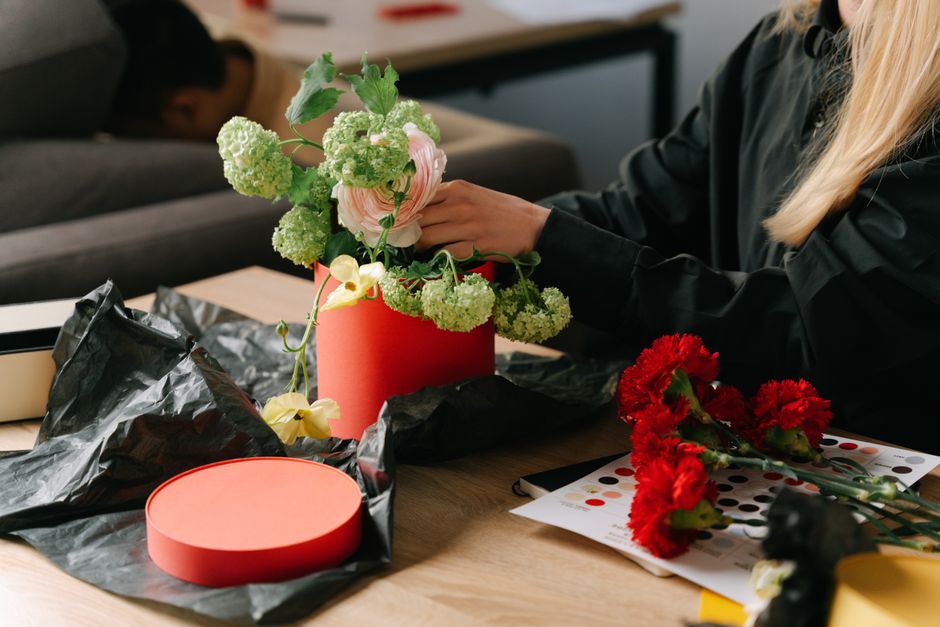
At a basic level, DIY means you buy stems, trim them, condition them, and build the bouquet yourself. That may involve a supermarket run, a local market, or an online delivery order. You then remove lower leaves, create a shape, tie the stems, and finish with ribbon or paper. Simple enough on paper. In reality, the first one often takes longer than you expect.
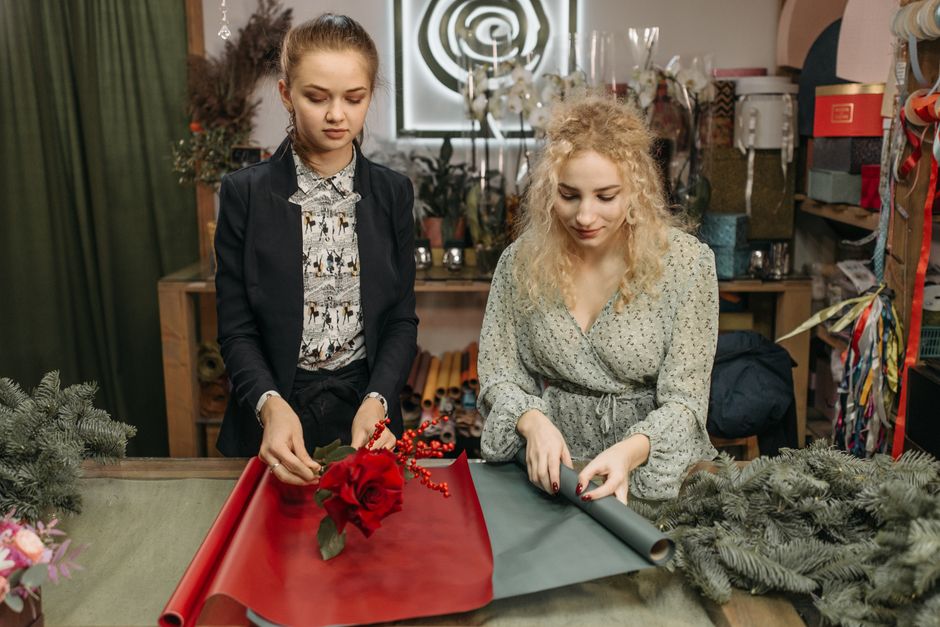
A professional florist works differently. They source flowers with arrangement in mind, often choose blooms based on seasonality and freshness, and design around the occasion, colour palette, and vase or bouquet style. They also know how to keep stems hydrated, how to manage delicate flowers, and how to make the arrangement look complete from all angles.
When you compare costs, remember that floristry pricing is not just stems. It may include design time, labour, condition control, packaging, delivery prep, quality assurance, and replacements for stems that are not at their peak. That is one reason a florist bouquet can feel more expensive, but also more dependable.
Here is the basic flow for each approach:
- DIY: choose flowers, gather tools, condition stems, arrange, tie, and transport carefully.
- Florist: select a design or give brief notes, then let the florist handle sourcing, conditioning, arrangement, and presentation.
The key difference is control. DIY gives you hands-on control over every stem. The florist gives you professional control over the final effect. Different kinds of control, really.
Key Benefits and Practical Advantages
Both options can be worthwhile. The right answer depends on what you value most. A bouquet is not only about flowers looking nice for five minutes; it is about how well they suit the occasion, how long they last, and how much effort they demand from you.
Why DIY can be the better value
- Lower upfront spend: you can keep costs down by choosing seasonal blooms, mixed greenery, or a smaller bouquet.
- Personal touch: you can include favourite flowers, colours, or a style that feels meaningful.
- Creative flexibility: rustic hand-tied bunches, loose garden-style bouquets, and simple vase arrangements are well suited to DIY.
- Good for informal gifting: birthdays, thank-you flowers, or a table centrepiece do not always need a high-end finish.
Why a professional florist can be better value
- Better structure and finish: a florist knows how to create shape, balance, and visual impact.
- More reliable freshness: flowers are usually conditioned properly and arranged to last longer.
- Less stress: useful when the flowers are part of a larger event or emotional moment.
- Occasion-appropriate design: a bouquet for a wedding, condolence, or milestone birthday needs the right tone.
There is another benefit people miss: consistency. A florist can recreate a style, match colours, or design multiple arrangements that look cohesive across a room. DIY is harder to keep consistent unless you already have some practice. That matters for events, and especially for weddings. If you are looking at event florals, pages like wedding flowers in Cubitt Town can help you understand the scale and finish a professional arrangement can deliver.
Who This Is For and When It Makes Sense
Not every bouquet needs a florist. And not every bouquet should be DIY. That is the honest answer.
DIY usually makes sense if you are:
- making flowers for your own home
- putting together a small gift for a friend
- comfortable with a bit of trial and error
- working to a tighter budget
- happy to buy seasonal or flexible stems
A florist usually makes sense if you are:
- marking a major life event
- ordering for delivery and need it to arrive looking polished
- short on time
- worried about handling fragile flowers
- trying to create a strong visual impression
A very practical example: a simple bouquet for a neighbour's birthday can be lovely if you make it yourself with roses and foliage. But if you are sending flowers to a workplace reception, you may want the reliable presentation and delivery support that comes with a professional order. In that case, a page like birthday flowers in Cubitt Town is closer to the kind of purchase you actually need.
For condolence flowers, the difference matters even more. Emotional occasions leave less room for improvisation. A florist can help you choose the right style, such as sprays, wreaths, or sympathy flowers. For that sort of need, funeral flowers in Cubitt Town is a much more appropriate route than a quick DIY bundle from the local shop.
Step-by-Step Guidance
If you want to decide wisely, it helps to break the process down rather than making a gut call while standing in front of the fridge. Here is a practical way to think it through.
- Define the occasion. Is this casual, romantic, formal, celebratory, or sensitive?
- Set the budget ceiling. Include flowers, wrapping, ribbon, transport, and any extras.
- Decide how much time you have. A bouquet you make on a relaxed Saturday morning is one thing. A bouquet made ten minutes before leaving the house is quite another.
- Choose the look you want. Tight and elegant, loose and garden-style, bright and cheerful, soft and romantic, or neutral and understated?
- Check your skill level honestly. If you have never wired stems, conditioned hydrangeas, or shaped a spiral hand-tied bouquet, keep the design simple.
- Compare total value, not just price. Think about freshness, delivery, presentation, and your own stress level.
- Make the final call. If the event is important and the bouquet must look right, the florist often wins. If it is an experiment or personal project, DIY can be a smart choice.
One small truth: people often underestimate transport. Flowers can look perfect on the kitchen counter and then droop in the car, especially on a warm day or if they are wedged beside shopping bags. A florist usually packages arrangements with that problem in mind. That is part of the cost too.
Expert Tips for Better Results
Whether you go DIY or professional, a few small choices make a big difference. These are the details that separate "fine" from "actually lovely."
- Choose seasonal flowers when possible. They are often fresher, easier to source, and more cost-effective.
- Use a mixed structure. A few focal blooms, some secondary flowers, and greenery usually look better than one flat cluster.
- Keep water clean and cool. For DIY bouquets, re-cut stems and change water promptly.
- Balance the scent. Some flowers are strongly perfumed; lovely to some people, a bit much to others.
- Match the bouquet to the message. Pale tones feel softer, brighter tones feel more playful, and deeper shades can feel richer or more dramatic.
If you are buying from a florist, ask about flower care and longevity. A good florist should be able to explain how to keep the bouquet fresh once it arrives. You can also read through flower care guidance to get the most from either option.
If you need flowers in a hurry, speed matters as much as style. Same-day or next-day options are often better than trying to improvise. The bouquet may cost more than a supermarket bunch, yes, but that extra reliability is often worth it when time is tight. For that kind of timing, same-day flower delivery in Cubitt Town and next-day flower delivery in Cubitt Town can save the day.
Common Mistakes to Avoid
A lot of bouquet frustration comes from a few repeat mistakes. Once you know them, you can dodge them fairly easily.
- Buying too many expensive blooms. Three premium flowers can be elegant; ten can become a budget problem fast.
- Ignoring stem conditioning. Trim, hydrate, and remove lower leaves. Otherwise the bouquet ages fast.
- Choosing flowers that are too delicate for your timing. Some blooms look stunning but are awkward for transport or hot rooms.
- Forgetting the container or wrapping. A bouquet is not complete if it looks like it was rushed out the door.
- Ordering too late for important occasions. Last-minute flowers can still be beautiful, but the choice narrows quickly.
- Assuming DIY saves money in every case. Once you add tools, ribbon, filler, and time, the gap can shrink.
And here is one that people rarely admit: a DIY bouquet can look slightly sad if you are exhausted and trying to finish it after work. It happens. You are not alone. The trick is to keep the design simple enough that it still looks good on a tired day.
Tools, Resources and Recommendations
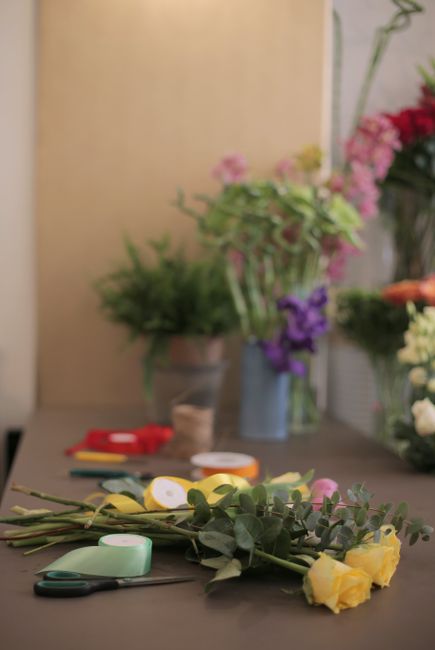
If you are going DIY, a few basic tools make life much easier:
- sharp scissors or floral snips
- a clean bucket for conditioning
- fresh water
- floral tape or twine
- ribbon or paper wrap
- a vase if the bouquet is staying at home
For a better finish, choose flowers with similar water needs and similar stem strength. A florist can do this instinctively, but DIY buyers should keep things simple. Roses, tulips, alstroemeria, carnations, and mixed seasonal bunches are often easier to manage than highly delicate stems. You can browse category ideas like roses, tulips, carnations, alstroemeria, and best sellers to get a sense of what tends to work well in straightforward arrangements.
If you are after a polished, ready-to-go option, professional ranges can help you choose based on budget and occasion. A few useful starting points are cheap flowers, budget flowers, luxury flowers, and florist choice. That last one is particularly useful if you trust the designer and want the florist to work with the best available stems on the day.
If you are sending flowers rather than carrying them yourself, practical service pages can help you plan delivery and timings. It is boring admin, maybe, but boring admin saves stress.
Law, Compliance, Standards, or Best Practice
For bouquets, legal and compliance issues are usually light-touch compared with other industries, but there are still a few best-practice points worth keeping in mind.
Consumer clarity matters. If you are buying flowers from a business, check what is included: substitutions, vase costs, delivery timing, and what happens if a product is unavailable. Clear terms reduce awkward surprises later. That is true whether you are ordering a simple bouquet or something more involved.
Handle flowers safely and responsibly. Keep them away from pets and small children if the variety could irritate or be harmful if handled or ingested. Not every household thinks about that in the rush to get flowers on the table, but it is worth considering.
Delivery and access need planning. If flowers are going to an office, venue, or residence with access restrictions, the delivery instructions should be clear. In London especially, timing, entry, and parking can matter more than people expect.
Ask about sustainability where relevant. Some buyers prefer seasonal blooms, reduced packaging, or lower-waste options. If that is important to you, ask directly rather than assuming. You can also review a florist's approach to sustainability and service standards before ordering.
Keep records for important orders. For weddings, corporate work, or funeral tributes, it helps to keep confirmation emails, flower names, delivery times, and any special instructions. A small detail, but useful when the day gets busy.
Options, Methods, or Comparison Table
Here is the comparison most people actually need. Not a dreamy "flowers are beautiful" speech. A proper side-by-side look at where the money goes.
| Factor | DIY bouquet | Professional florist |
|---|---|---|
| Upfront cost | Usually lower if you keep it simple and buy seasonal stems | Usually higher because design, labour, and presentation are included |
| Time required | You do the shopping, prep, arranging, and transport | Much less effort on your side |
| Finish and structure | Depends on your skill and patience | Generally stronger, more balanced, and more consistent |
| Freshness control | Varies by where you buy and how you handle stems | Usually better conditioned and styled for lifespan |
| Best for | Home decor, casual gifts, creative projects, low-pressure events | Weddings, sympathy flowers, milestone occasions, delivery orders |
| Stress level | Can be enjoyable or mildly chaotic, depending on the day | Usually lower stress |
One useful middle ground is to buy from a florist but choose a simpler style. That can give you a better finish without paying for an elaborate custom design. A straightforward bouquet can still be elegant if the flowers are well chosen. Sometimes simple is the smart move.
Case Study or Real-World Example
Picture two customers on a Friday afternoon in Cubitt Town.
The first wants flowers for a dinner at home. They have time, a vase already washed, and a preference for soft pink and white tones. They buy seasonal stems, trim them in the kitchen, and arrange them loosely with eucalyptus. The result is personal, relaxed, and perfectly good for the setting. That DIY choice works because the stakes are low and the time pressure is manageable.
The second customer needs flowers for a birthday delivery to an office the same day. They want something bright, tidy, and presentable enough to hand over at reception without fuss. In that case, a professional florist is the safer bet. The bouquet arrives finished, wrapped, and ready to impress. No frantic wrapping paper on the tube platform, no awkward "sorry, it looked better before the car journey" moment.
That is the pattern you see again and again: DIY wins on personal control and sometimes cost; a florist wins on reliability, polish, and convenience. For a quick celebration order, a professional option like send flowers in Cubitt Town or a delivery-focused choice such as flower delivery in Cubitt Town often feels far less stressful than building something from scratch.
Practical Checklist
Use this quick checklist before you decide.
- Do I have enough time to plan, buy, and arrange the flowers?
- Is the occasion casual or high-stakes?
- Do I want maximum control, or maximum convenience?
- Am I confident handling fresh stems and basic bouquet design?
- Do I need same-day or next-day timing?
- Will the bouquet need to travel safely?
- Is presentation more important than saving a little money?
- Would a florist's experience reduce the risk of mistakes?
- Have I checked care instructions and delivery details?
- Am I choosing the option that fits the moment, not just the price tag?
If most of your answers lean toward convenience, timing, and presentation, a florist is probably worth it. If most lean toward creativity, flexibility, and a modest budget, DIY may be the better fit.
Conclusion
So, what is worth the cost: a DIY bouquet or a professional florist? Truth be told, it depends on the moment. DIY is often the better value for simple, personal, lower-pressure flowers. A professional florist is usually worth the extra spend when you need quality, reliability, and a finished look that holds up in real life, not just in your head while you are planning it.
The best choice is the one that matches the occasion and your capacity. That is the bit people skip. If you are short on time, worried about the final look, or planning something meaningful, paying for expertise can be money well spent. If you have time to enjoy the process and want a hand-made feel, DIY can be lovely.
Choose the option that makes the whole experience feel easier, kinder, and more fitting for the person receiving the flowers. That is usually where the real value lives.
Get a free quote today and see how much you can save.
A well-chosen bouquet has a way of making an ordinary day feel gentler. That part never really gets old.
Frequently Asked Questions
Is a DIY bouquet actually cheaper than a florist bouquet?
Sometimes, yes. But only if you keep the design simple and do not overbuy extras. Once you add ribbon, wrapping, tools, transport, and your time, the savings may be smaller than expected.
When is a professional florist worth the extra cost?
A florist is usually worth it for weddings, sympathy flowers, delivery orders, and important celebrations where presentation and reliability matter more than shaving off every pound.
What flowers are easiest for a DIY bouquet?
Roses, carnations, alstroemeria, tulips, and mixed seasonal stems are often easier to work with. They are generally more forgiving than very delicate blooms.
How far in advance should I buy flowers for a DIY arrangement?
Ideally, buy them close to the event if you want them at their freshest, then condition them properly. For some arrangements, the same day is fine; for others, the day before is easier.
Do florist bouquets last longer than DIY bouquets?
They often do, because florists usually condition stems properly and arrange them with longevity in mind. That said, good care at home still makes a big difference.
Can I make a bouquet look professional at home?
Yes, but keep expectations realistic. A simple, well-balanced bouquet can look lovely. The trick is restraint, clean stems, and a clear shape rather than stuffing in too many flowers.
What is the biggest mistake people make with DIY flowers?
Probably not conditioning the stems properly. Another common mistake is choosing too many different flowers and colours, which can make the bouquet look muddled.
Is it better to order flowers online or buy them and arrange them myself?
If convenience and presentation matter, ordering from a florist is usually better. If you enjoy arranging and want a personal touch, buying stems yourself can be rewarding.
What should I check before ordering from a florist?
Check the occasion, delivery timing, substitutions, care guidance, and what is included in the price. It helps to know whether the bouquet comes wrapped, boxed, or vase-ready.
Are DIY bouquets suitable for weddings?
They can be, especially for very small or informal weddings. But for larger or more formal events, the risk and workload rise quickly, so a florist is often the safer option.
How do I make a florist bouquet last as long as possible?
Trim the stems, use clean water, keep the bouquet away from radiators and direct sun, and follow the care instructions. Small steps make a big difference.
What is the best middle ground between DIY and florist?
A simple florist bouquet is often the best compromise. You get the professional finish and freshness, but without paying for a very elaborate custom design.