Real cost of wedding flowers explained for UK couples
Posted on 28/09/2026
Wedding flowers can look effortless on the day, but the price behind that polished aisle, bouquet, and table styling often catches couples off guard. If you are trying to work out the real cost of wedding flowers explained for UK couples, the short answer is this: it depends on scale, season, flower choice, labour, and how much arranging you want done for you. And yes, the numbers can move around a lot.
That is exactly why this guide exists. We will break down what you are actually paying for, why quotes vary so much, how to budget sensibly, and where couples often overspend without realising it. You will also see practical ways to get more value without making the flowers feel second-rate. Because let's face it, nobody wants their wedding flowers to look beautiful in the morning and then a bit tired by the speeches.
Whether you are planning a small registry office ceremony or a larger all-day celebration, this article will help you understand the moving parts, ask better questions, and avoid the usual budget surprises.
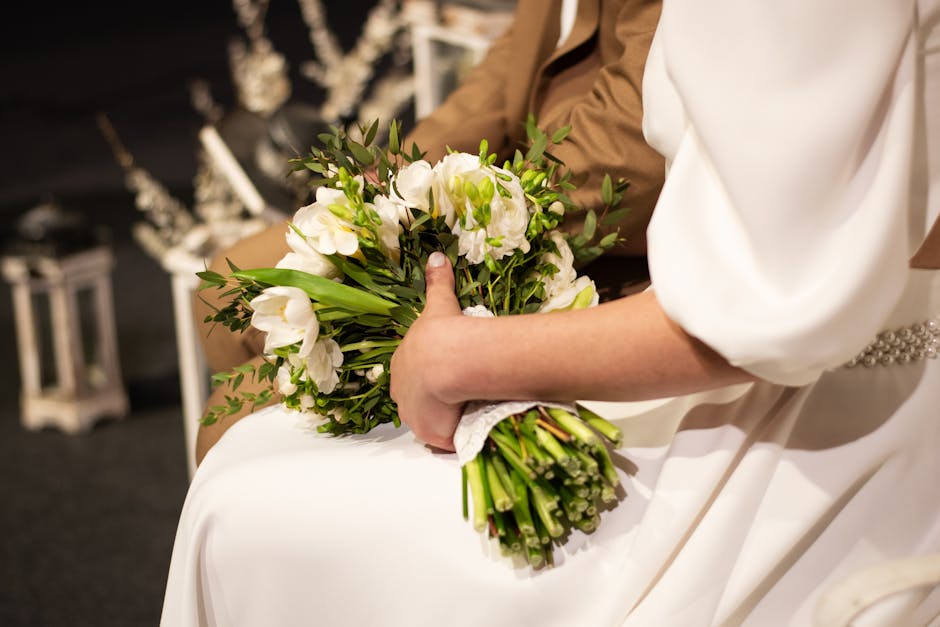
Why Real cost of wedding flowers explained for UK couples Matters
Flowers are one of those wedding items that seem simple until you start pricing them properly. A bridal bouquet is not just a bunch of stems. A wedding arrangement usually includes consultation time, sourcing, conditioning, design, mechanics, transport, setup, and sometimes collection. If your venue is spread across a few spaces, the cost rises again because there is more work involved. That is why two bouquets that look similar can land at very different prices.
For UK couples, this matters even more because wedding budgets are usually split across venue, catering, photography, attire, and entertainment before flowers are even fully planned. Flowers sit in a tricky space: they are highly visible and emotional, but they are also perishable and labour-heavy. You are paying for something that lasts beautifully for a day, maybe two if you are lucky and careful. Harsh? A little. True? Absolutely.
Getting a realistic picture early helps you make better choices. You can decide whether flowers should be a statement feature, a supporting detail, or a more restrained part of the styling. That decision alone can save a surprising amount. In our experience, couples who understand the real cost tend to feel calmer throughout planning because they stop comparing a proper wedding quote with a supermarket-style bunch. Not the same thing at all.
Expert summary: the real cost of wedding flowers is not just the flowers themselves; it is the design time, handling, styling, and logistics wrapped around them.
How Real cost of wedding flowers explained for UK couples Works
Wedding floristry pricing usually starts with your brief. A florist will look at what you need, where the flowers will go, the season, the colour palette, and how elaborate the design needs to be. From there, the quote reflects both materials and labour. A small hand-tied bouquet uses fewer stems and less setup time than a ceremony arch or a long top-table garland, so the pricing works on a completely different level.
Most wedding flower quotes are built around a few core cost drivers:
- Flower type: some flowers are naturally more expensive, especially out of season or imported blooms.
- Quantity: more buttonholes, bouquets, centrepieces, and ceremony pieces means more materials and labour.
- Design complexity: loose meadow-style arrangements, compote bowls, hanging installations, and statement arches take more time than simple posies.
- Seasonality: flowers in season are usually easier to source and often better value.
- Venue logistics: delivery windows, setup rules, parking, stairs, and access can all affect the final price.
- Labour and time: consultation, conditioning, wiring, arranging, packing down, and collection all add to the total.
Some florists charge item-by-item, while others offer packages or collections. A package may sound easier, and often it is, but you should still check exactly what is included. For example, does the quote include delivery to the venue, setup at multiple locations, candleholders, vases, or takedown the following day? If not, the "cheap" option can quietly become the expensive one. Sneaky, really.
There is also a practical difference between bridal flowers and venue flowers. A bouquet is a portable, hand-finished item. Venue flowers may need transport cases, mechanics, table containers, and staff time to install them safely. That is why a single bouquet might feel pricey, but a reception room can multiply the budget fast.
If you are comparing broader flower buying options as you plan, it can help to look at the florist's full range, such as wedding flowers collections and the more specific bridal bouquet options. Even a quick browse can make the pricing logic feel a bit less mysterious.
Key Benefits and Practical Advantages
Understanding the real cost gives you more than budget control. It helps you make calmer, more deliberate decisions. And honestly, that matters on a day already full of moving parts.
1. You can prioritise the right things. If the bouquet is the item you will hold in every photo, you may want to spend more there and scale back elsewhere. If your reception room is fairly simple, you may decide the ceremony flowers deserve the bigger share of the budget.
2. You avoid awkward last-minute cuts. Plenty of couples start with a dream board, then realise the quote is far beyond what they expected. A realistic framework from the start lets you trim calmly instead of making rushed decisions two weeks before the wedding.
3. You get a design that suits the venue. A grand arrangement can look perfect in a high-ceiling hotel but feel too much in a small village hall. When you understand pricing, you also start thinking in proportion, which is where good design lives.
4. You can compare florists fairly. A quote that includes installation, extras, and collection may look higher than another one, but it may actually be better value. Price alone never tells the whole story. Not even close.
5. You reduce waste. Better planning usually means fewer duplicate items, fewer impulse additions, and better use of each stem. You may even choose flowers that can move from ceremony to reception, which is one of the smarter ways to stretch your budget.
A sensible flower budget also makes the day feel more cohesive. The bouquet, buttonholes, table flowers, and any statement pieces can work together rather than feeling like separate purchases. That visual consistency is one of the quiet advantages couples notice only after the wedding, when they look back at the photos and think, yes, that all made sense.
Who This Is For and When It Makes Sense
This guide is for any UK couple trying to understand what wedding flowers should reasonably cost and how to make the numbers work. But it is especially useful if you are in one of these situations.
- You are budgeting for the first time and do not know what a realistic florist quote looks like.
- You have fallen in love with a certain style, such as luxe roses, wild meadow flowers, or a soft romantic palette, and need to know what that means for cost.
- You are planning multiple locations, for example a church ceremony and a separate reception venue.
- You want to keep things elegant but sensible and need to find the balance between style and spending.
- You are comparing DIY against professional floristry and want a fair picture of effort, risk, and value.
- You are planning a small wedding and do not want to overspend just because "wedding" appears in the quote.
It also makes sense if you have already received a quote and felt a bit floored. You are not alone there. Wedding flower pricing often surprises couples because the visible result hides a lot of invisible work. Once you understand the structure, the quote usually makes more sense even if it still stings a little.
For couples who want something more modest, checking options like budget-friendly flowers can help you see what a simpler, cleaner look might cost in practice.
Step-by-Step Guidance
If you want a practical way to approach flower budgeting, use this simple process.
- List the flowers you actually need. Start with the essentials: bridal bouquet, bridesmaid bouquets, buttonholes, ceremony flowers, table arrangements, and any extras.
- Separate needs from wishes. A bouquet is a need. A floral arch, hanging install, and aisle meadow are usually wishes. Lovely wishes, yes. Still wishes.
- Choose your priority pieces. Decide which items matter most visually. Many couples choose to invest in the bridal bouquet and ceremony backdrop first.
- Think about season and style. Seasonal flowers often give you better value, and looser, less rigid arrangements can sometimes be more cost-efficient than dense, highly structured ones.
- Ask what is included. Delivery, setup, vases, candles, breakdown, and collection should all be clear before you compare prices.
- Check reuse opportunities. Ceremony arrangements may be moved to the reception. Buttonholes can be reused only in the sense that they are worn once, but bigger pieces can often serve twice.
- Leave room for surprises. A contingency margin helps with weather-proofing, extra stems, or venue requirements that appear late in the process.
Here is the sort of real-world thinking that helps. If your ceremony ends at 1pm and guests move to dinner at 4pm, a florist may need time to repurpose arrangements between spaces. That adds work. It is not dramatic, just practical. And practicality is what keeps budgets grounded.
Try to be clear on your guest count too. The number of tables changes the cost much more than people expect. Ten tables can feel reasonable. Then you add welcome flowers, a cake table piece, bar arrangements, and a registrar table display, and suddenly the flower plan has grown legs.
Expert Tips for Better Results
There are a few smart ways to make wedding flowers go further without making them feel stripped back.
Use focal flowers where they count. You do not need expensive stems everywhere. Put premium blooms in the bouquet or ceremony feature, then use simpler flowers to support the rest.
Mix high and low. One or two standout arrangements can do a lot of visual heavy lifting. Smaller supporting pieces can echo the same colours without swallowing the budget.
Keep your colour palette tight. A focused palette often looks more elegant than a crowded mix of shades. It can also simplify sourcing.
Be honest about your venue. A compact registry room does not need the same floral intensity as a marquee. Scale matters. A lot.
Consider similar-looking flowers. Some blooms give the same soft, romantic feel at a gentler price point. A good florist can suggest substitutes without flattening the design.
Ask for seasonal alternatives. If peonies are out of season or overpriced, a florist may suggest something with a similar shape or feel. You can usually keep the mood, even if the stem changes.
Reuse pieces across the day. Ceremony meadows, aisle flowers, or pedestal arrangements can sometimes be repurposed for the reception. That is one of the easiest value wins.
If you are choosing between elegant and affordable, it is worth browsing styles such as luxury flowers alongside simpler ranges like cheap flowers so you can see how presentation and price shift side by side.
Common Mistakes to Avoid
Flower budgets go wrong in predictable ways. The good news is that most of them are avoidable.
- Only asking for a bouquet price. That gives you a false sense of the total. The bouquet is rarely the whole story.
- Forgetting labour and delivery. A quote without setup details can mislead you badly.
- Ordering too many separate pieces. It is easy to duplicate flowers across the ceremony and reception without noticing.
- Choosing out-of-season blooms blindly. If you love a flower, fine, but know what it means for cost and availability.
- Not measuring the venue. Large arrangements in a small room can look crowded and waste budget.
- Leaving the booking too late. The best florists can be in demand, especially for spring and summer Saturdays.
- Ignoring the weather. British weather does what it wants. Heat, wind, and humidity can affect delicate flowers, especially in summer afternoons.
One subtle mistake is chasing the perfect Pinterest image without translating it into actual quantities. A table lined with delicate bud vases looks light and airy online. In real life, it may need dozens of stems across many tables to create the same effect. That is where budget reality steps in. Quietly, but firmly.
Another common issue is not asking how flowers are conditioned and protected between the studio and the venue. That detail matters more than people think. Freshness is part of value.
Tools, Resources and Recommendations
You do not need complicated software to plan flowers well, but a few simple tools help.
- A wedding checklist or spreadsheet: use it to list every floral item, quantity, and estimated price.
- Venue floor plan: helpful for understanding how many table arrangements or statement pieces you actually need.
- Inspiration images: useful, but only if you label what you like about them: colour, shape, size, or fullness.
- A notes app or shared planner: handy for jotting down florist questions after meetings. Those little details disappear fast otherwise.
- Sample product pages: comparing different bouquet and arrangement styles can help you understand where price jumps happen.
It can also help to review practical shop pages before you book, especially if you want to understand how a florist presents wedding-focused ranges versus everyday bouquets. For example, browsing wedding buttonholes, table arrangements, and wedding corsages gives you a better sense of item-by-item planning.
If you are also thinking about how the flowers will hold up after delivery, a page on flower care can be useful because freshness and handling are part of the value you are paying for.
Law, Compliance, Standards, or Best Practice
Wedding flowers are not a heavily regulated purchase in the way some services are, but there are still sensible standards and best practices to keep in mind. For example, a florist should be clear about pricing, delivery arrangements, substitutions, and cancellation or refund terms. That is just good practice, and it protects both sides.
For UK couples, it is sensible to check any written terms before paying a deposit. Ask what happens if the flower choice becomes unavailable, if the venue changes access times, or if the event is postponed. Wedding plans do move. Quite a lot, sometimes.
It is also wise to confirm whether the florist is insured for public liability and whether they are comfortable working with your venue's access rules. Many venues have requirements about setup times, flame use, ladders, or waste removal. Those are not flower laws exactly, but they affect how the day runs.
If sustainability matters to you, ask how flowers are sourced, reused, composted, or packaged. A florist's sustainability approach can be part of your decision, especially if you want to avoid excessive waste. You can also review the business's stated approach to this on its sustainability page.
Best practice is simple: get clarity in writing, ask about substitutions, and make sure the scope of work is understood before the flowers are made. That alone prevents most disagreements.
Options, Methods, or Comparison Table
Different flower approaches suit different couples. Here is a straightforward comparison.
| Approach | Best for | Typical strengths | Watch-outs |
|---|---|---|---|
| Fully bespoke florist design | Couples wanting a tailored look | Highest design flexibility, venue-specific planning, polished finish | Usually the highest cost, especially with complex installs |
| Package or collection-based floristry | Couples who want clearer budgeting | Easier to compare, often more predictable pricing | Less flexibility if you want unusual shapes or colours |
| Simplified wedding flowers | Smaller weddings or tighter budgets | Lower spend, easier coordination, often less waste | Less dramatic visual impact |
| DIY or partial DIY | Very hands-on couples | Can reduce labour costs, more control over final style | Time pressure, storage issues, stress on the day |
| Hybrid approach | Couples balancing budget and impact | Spend on key pieces, simplify the rest | Needs careful planning so it still feels cohesive |
A hybrid approach is often the sweet spot. You might commission a standout bridal bouquet and ceremony arrangements, then simplify table flowers and buttonholes. It keeps the day looking considered without blowing the budget on every single detail. Honestly, that is where many smart weddings land.
Case Study or Real-World Example
Imagine a couple planning a late-spring wedding in the UK. They want a classic romantic feel, with a bridal bouquet, three bridesmaid bouquets, six buttonholes, ceremony flowers for the aisle and registrar table, and simple reception centrepieces. At first, they picture large roses everywhere. Beautiful, yes. Budget-friendly? Not so much.
After reviewing the venue layout, they realise the ceremony room is fairly intimate, with natural light and pale walls. That means they do not need oversized installations. Instead, they choose one strong focal arrangement for the ceremony, smaller supporting pieces for the aisle, and table flowers that can later be moved to the dining space. They keep the bouquet lush, but scale back the bridesmaid bouquets slightly. The result still feels rich, but the budget becomes manageable.
What changed? Not the dream. The strategy.
That is the real lesson here. Once they understood the actual workload behind the flowers, they made decisions with confidence instead of guessing. They also avoided paying for three separate visual "moments" that would have served the same purpose. Small shift, big difference.
For couples who want to explore wedding-specific designs with different styling levels, browsing pieces such as bridal bouquets and bridesmaid bouquets can help you picture how the budget changes as the design becomes fuller or more coordinated.
Practical Checklist
Use this checklist before you book your florist or confirm a final quote.
- Have you listed every floral item you need?
- Do you know which pieces are essential and which are optional?
- Have you set a realistic total flower budget?
- Do you understand what the quote includes: delivery, setup, collection, and breakdown?
- Have you checked whether flower substitutions may happen if stock changes?
- Do you know which arrangements can be reused later in the day?
- Have you asked about venue access, parking, and timing?
- Have you compared styles, not just prices?
- Have you confirmed payment terms and cancellation conditions?
- Have you thought about flower care on the day, especially in warm weather?
- Have you chosen a colour palette that suits your venue and season?
- Have you left a little room in the budget for small extras?
A quick check now can save a lot of back-and-forth later. And less back-and-forth is always a gift in wedding planning, isn't it?
Conclusion
The real cost of wedding flowers explained for UK couples comes down to one simple idea: you are paying for far more than stems in a vase. You are paying for design, labour, coordination, logistics, timing, and the knowledge that the flowers will look right in your venue on your day. Once you understand that, the quote stops feeling random and starts feeling workable.
The best approach is not necessarily the biggest one. It is the one that suits your venue, your season, your priorities, and your budget. Some couples want a full floral moment from aisle to tables. Others only need a bouquet, a few buttonholes, and one beautiful focal display. Both can work. Both can be lovely.
If you plan early, ask better questions, and stay clear on what matters most, you will get more from every pound you spend. And in the end, that is what good wedding planning is really about: making the day feel like yours, without carrying avoidable stress along with it.
Get a free quote today and see how much you can save.
Frequently Asked Questions
How much do wedding flowers usually cost in the UK?
There is no single figure that fits every wedding, because the price depends on flower type, quantity, design complexity, season, and whether installation is needed. A small bouquet-only order will cost far less than a full venue styling brief. The best way to think about it is in layers: personal flowers, ceremony flowers, and reception flowers. Each layer adds labour as well as materials.
Why do wedding flowers cost more than regular flowers?
Wedding flowers usually include consultation time, custom design, sourcing, conditioning, transport, and setup. They also need to look good for a specific time window, which makes preparation more precise. Regular bouquets are simpler. Wedding flowers are part product, part service, and that service element matters a lot.
What are the most expensive wedding flowers?
Expensive flowers are often those that are out of season, delicate, imported, or in high demand. The exact list changes with the time of year, but premium stems and specialist blooms typically push budgets up faster than standard seasonal flowers. Sometimes the cost comes more from quantity and structure than from the flower itself.
Can I save money by choosing seasonal flowers?
Yes, often you can. Seasonal flowers are usually easier to source and can be better value, though the exact saving varies. More importantly, seasonal choices often look more natural and fresh for the time of year. A good florist can suggest alternatives that still suit your palette.
Is DIY wedding floristry cheaper?
It can be cheaper in cash terms, but not always in total value. DIY means you are taking on time, storage, transport, and day-before pressure. If you enjoy hands-on planning and have a small, simple setup, it may work well. For larger weddings, DIY can become stressful very quickly.
What should be included in a wedding flower quote?
A proper quote should make clear what flowers are included, how many arrangements you are getting, whether delivery and setup are covered, and what happens with changes or substitutions. If collection or takedown is needed, that should be stated too. The more detailed the quote, the easier it is to compare.
How far in advance should I book a wedding florist?
It is sensible to book as early as you can, especially if your wedding is in spring or summer or on a popular Saturday. Popular florists can get booked well ahead of time. Even if you are still refining the exact style, a first conversation early on helps you secure availability.
Can ceremony flowers be reused at the reception?
Often, yes. This is one of the smartest ways to stretch your budget. Larger ceremony arrangements can sometimes move to the dining room, bar area, or top table. It depends on timing, staffing, and venue access, so it is worth asking your florist how reuse would work on the day.
Do I need flowers at every part of the wedding?
No, you really do not. A beautiful wedding does not require flowers everywhere. Some couples choose just a bouquet and buttonholes, while others focus spending on one major feature. The right choice is the one that suits your priorities and venue. Less can be plenty if it is considered well.
How do I compare florist quotes fairly?
Compare what is included, not just the total. Look at flower count, arrangement size, delivery, setup, collection, and any extras like vases or mechanics. Two quotes with different totals may still represent similar value if one includes far more work. Try to compare like with like, as closely as you can.
What if my favourite flower is out of season?
That happens a lot, and it is not a disaster. A florist can usually suggest something with a similar shape, size, or feel. You may not get the exact stem you first imagined, but you can often keep the same overall mood. Truth be told, that flexibility is usually what keeps the budget sane.
Are wedding flower deposits refundable?
That depends on the florist's terms and conditions, which you should read before paying. Deposits are often used to secure the date and cover early work, so they may not be refundable in full. Always check the written terms first and ask about changes, postponements, and cancellations before committing.
What is the best way to keep wedding flowers looking fresh?
Keep them cool, away from direct sun, and handled as little as possible before use. Follow the florist's care advice carefully, especially if the day is warm or the setup is long. Freshness is about transport and timing as much as flower choice. A little care goes a long way.
How can I make my flower budget look bigger?
Focus spending on high-impact pieces like the bridal bouquet or a main ceremony display, then simplify supporting items. Reuse arrangements where possible, keep the palette tight, and use flowers strategically instead of everywhere. That approach often gives the feeling of abundance without the full cost. It is clever, not stingy.